


Building a Creator Program: Ambassador Programs, Creator Communities, and the Other Names
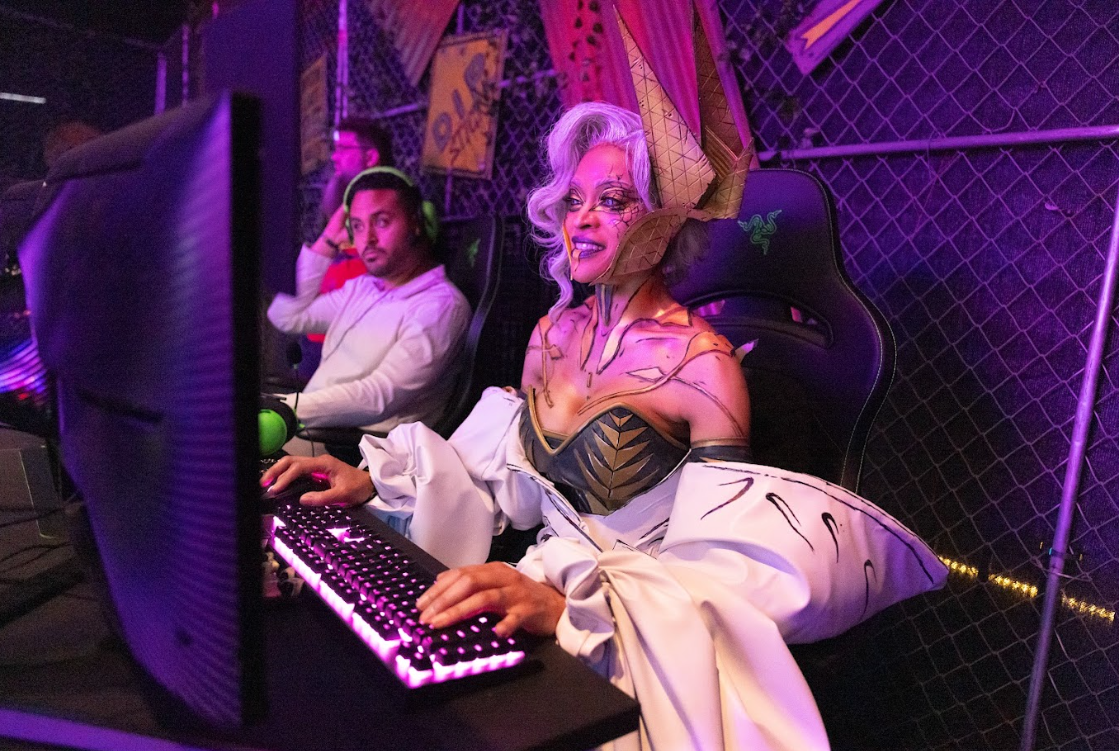
Creator programs are all the rage; you may just not know it because they go by so many different names: creator communities, ambassador programs, earned creators, creator networks. In the kind of program we're talking about here, these are different names for virtually the same thing: a group of creators who post for free or in kind on a brand's behalf. The incentives might be slightly different, but the creators are posting without a set dollar amount for each piece of content.
Now that we've established the nomenclature, let's discuss what really matters: the outputs and business objectives a creator program is built to fulfill.
What Does a Creator Program Offer Creators?
Creator programs help build a scalable group of content creators, influencers, or ambassadors that the brand can lean on for content during evergreen and tentpole moments. These moments need some sort of creator payoff:
- Access to a game.
- Invitations to events.
- Product seeding.
- Other incentives that keep creators involved, happy, and providing feedback.
What Does the Brand Get Back?
The brand gets reduced outreach times, better relationships with creators, efficiencies in influencer spend, and stronger affinity between creator audiences and the brand. Audiences who see creators and brands actively working together have more opportunities to see that connection beyond a one-off sponsorship.
Because creators aren't being paid a set fee, both cost per view (CPV) and engagement rate (ER) are tracked against the cost to run the program rather than a full creator campaign budget. CPV tells you what it costs to reach people, ER tells you whether they cared, and measuring both against program cost is what stretches the spend further on the brand side.
The big win comes if the brand secures the rights it needs to reuse the content in paid media and on owned and operated (O&O) pages, including permission to adapt it where needed. That helps the content go farther and fills an immediate brand need for ad content across platforms.
So How Do You Start Building a Creator Program?
Creator programs start by looking at creators in your immediate product niche. This could be players who already play your game, people who already use your product, or creators in the same product space or audience if you have yet to launch a game or product.
From there, you need to determine the size of creator you are looking to work with and how many creators you want in your pilot program. Some programs take channels of any size as long as the creator uses the product. Others set a minimum, such as 5K followers, to focus on creators with an established audience.
A program might include creators with 5K to 100K+ followers, depending on views, product affinity, and what the program provides. There is no guarantee that a creator of any size will accept or reject your invitation based on follower count alone.
How Do You Manage a Creator Community?
Once creators are identified and outreach has started, your team needs a way to keep track of:
- Applications and creator vetting.
- Onboarded creators and ongoing communication.
- Briefs and content that has gone live.
- Content usage rights and permissions.
Many brands try to do this in an Excel spreadsheet or through an internal process. We'd recommend a CRM that can help your team vet, organize, communicate with, and track the creators in your program.
To scale the above, Open World created Hitscan, a platform for creator programs. Hitscan can be used as self-service software, but we advise having our team manage the vetting, creator outreach, briefing, paid media rights, and tracking so your team can focus more on business outcomes.
Other self-service platforms exist, but having a team in your corner can make the process less of a headache when a creator program reaches a size that's hard to manage without one.
If you're ready to connect all the pieces that drive meaningful campaigns, talk to Open World.
Latest Insights
All Insights

Santa Monica, California


